
Introduction
High-quality research depends not only on innovative ideas but also on reliable data infrastructure. Without well-structured data systems, even the most advanced analytical models can produce inconsistent or unreliable results.
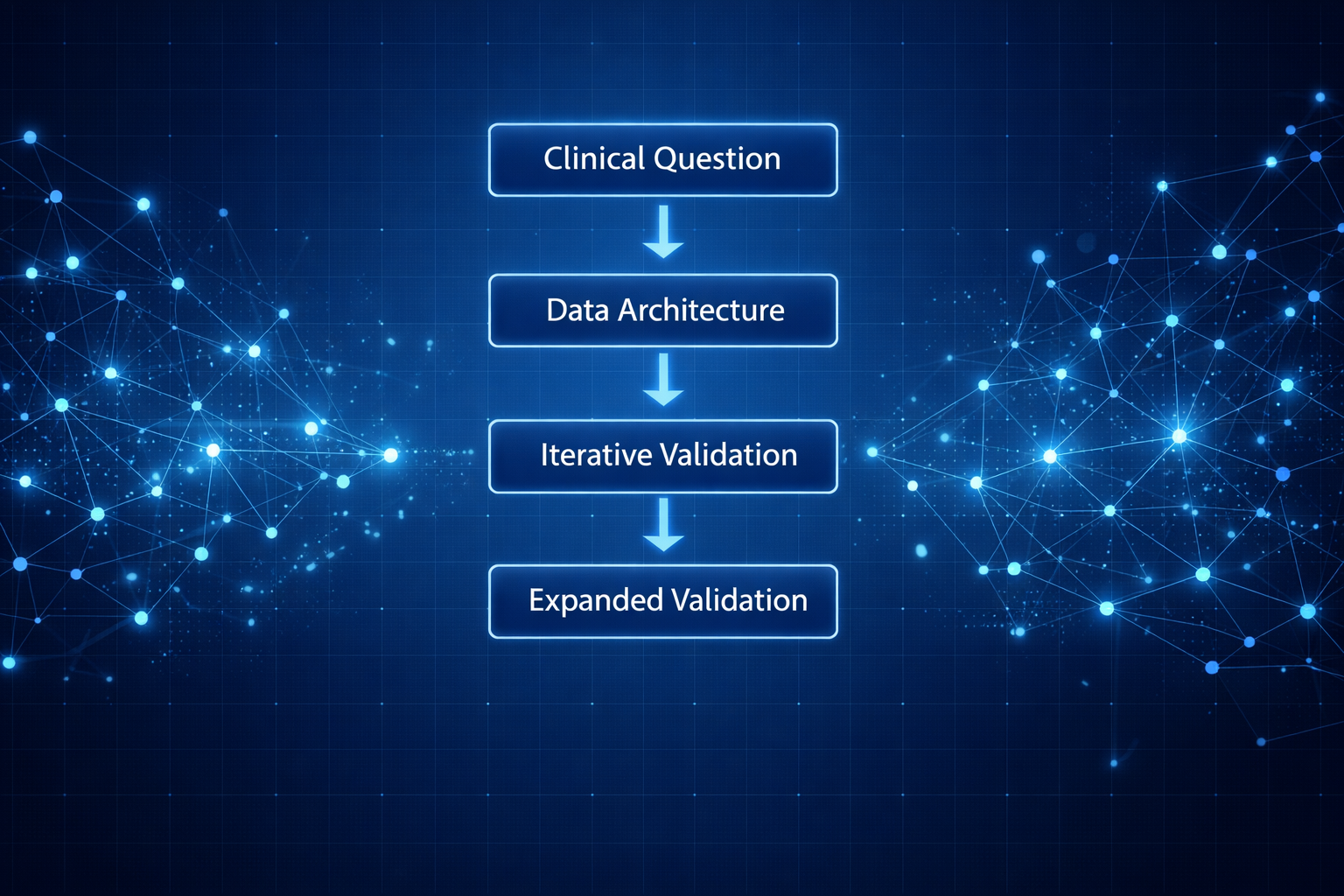
Nexus emphasizes research-grade data architecture as the core foundation for evidence-driven projects.
Data Standardization
Research datasets often originate from multiple sources, including institutional databases, clinical registries, and observational studies.
Standardization ensures that:
- data formats remain consistent
- variables are clearly defined
- analytical pipelines operate efficiently
Data Traceability
Scientific credibility requires full traceability of datasets and analytical processes.
At Nexus, data pipelines are designed to ensure:
- clear data provenance
- transparent processing steps
- reproducible analytical workflows
This traceability strengthens both internal research integrity and external review.
Scalable Infrastructure
As research projects grow, infrastructure must support expanding datasets and computational demands.
Scalable architecture allows researchers to:
- integrate new datasets
- conduct multi-institution analysis
- maintain stable analytical performance
Conclusion
Strong data architecture is the foundation of modern evidence-based research. By prioritizing structured data environments, Nexus enables research teams to transform complex datasets into meaningful and reliable scientific insights.